

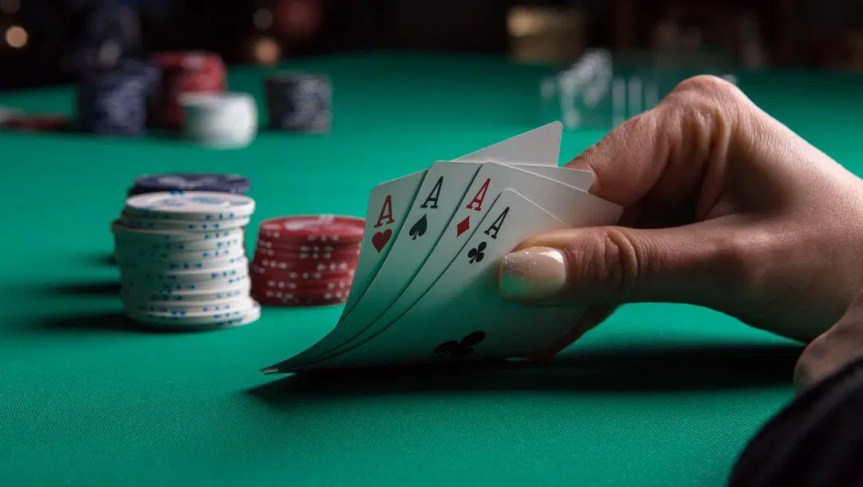
Poker is more than just a card game—it’s a global phenomenon that blends skill, psychology, strategy, and a bit of luck. From late-night home games to high-stakes tournaments with millions on the line, poker appeals to both casual players and seasoned pros alike. Whether you’re playing for pennies or prestige, poker’s enduring appeal lies in its depth and unpredictability.
In this post, we’ll explore what poker is, its most popular variations, why people love the game, and how you can get started.
What Is Poker?
Poker is a family of card games in which players wager on the strength of their hands, using betting rounds to outplay opponents. While there are many variants, most games follow a common structure that includes:
-
Hole cards: Cards dealt privately to each player.
-
Community cards: Cards placed face-up on the table and shared by all.
-
Betting rounds: Players decide whether to check, bet, call, raise, or fold.
-
Winning: The best five-card hand (or the best bluff) wins the pot.
What separates poker from many other gambling games is the element of skill—knowing when to bet, bluff, fold, and read your opponents can significantly affect your chances of winning.
Popular Variants of Poker
While there are dozens of poker formats, a few have risen to the top in popularity:
1. Texas Hold’em
This is the most widely played version of poker, especially in tournaments and online. Each player is dealt two hole cards, and five community cards are revealed in stages (flop, turn, and river). The best five-card hand wins.
2. Omaha
Similar to Texas Hold’em but with four hole cards instead of two. Players must use exactly two of their hole cards and three community cards to form their hand. Omaha is known for larger pots and more action.
3. Seven Card Stud
Players receive seven cards (some face-up, some face-down) and must make the best five-card hand. Unlike Hold’em and Omaha, there are no community cards.
4. Five Card Draw
This classic version of poker involves each player being dealt five cards, followed by a round of drawing (trading in unwanted cards) and final betting.
Why Do People Love Poker?
Poker has maintained its popularity for generations for several compelling reasons:
-
Skill-Based: Unlike games of pure chance, poker rewards strategic thinking, emotional control, and experience.
-
Psychological Depth: Reading body language, spotting tells, and bluffing are part of the mental game.
-
Social Interaction: Poker is a highly social game, whether you’re at a kitchen table or a tournament table.
-
Variety: With so many game types, betting structures, and formats (cash games, sit-and-go’s, tournaments), poker never gets boring.
-
Accessibility: Thanks to online platforms, anyone can play poker anytime, from anywhere.
Getting Started with Poker
If you’re new to poker, here’s how to get started:
-
Learn the Hand Rankings
Understanding which hands beat which is crucial. From high card to royal flush, you need to know the order of strength. -
Understand the Rules
Start with Texas Hold’em—it’s beginner-friendly and widely played. -
Practice for Free
Use free apps or play money tables online to learn the game without financial risk. -
Start Small
When you’re ready to play with real money, start at low-stakes games to gain experience without large losses. -
Study Strategy
Read books, watch tutorials, and analyze your hands. Poker is a game where continual learning pays off.
Poker Tournaments and the Pro Scene
The global poker scene has grown dramatically since the early 2000s, especially after the “Moneymaker Effect”—when amateur Chris Moneymaker won the 2003 World Series of Poker (WSOP) after qualifying online. Since then, professional poker has exploded, with huge televised tournaments and online competitions attracting players from all over the world.
Major events include:
-
World Series of Poker (WSOP)
-
World Poker Tour (WPT)
-
European Poker Tour (EPT)
-
Online tournaments on platforms like PokerStars and GGPoker
Professional players combine skill, discipline, and mathematical analysis to stay ahead in a highly competitive environment.
Online Poker: Convenience Meets Competition
Online poker has revolutionized the game, allowing players to join cash games or tournaments at any time. Benefits include:
-
Fast-paced games
-
Multi-table options
-
Player tracking tools
-
Global competition
-
Low buy-in options
However, online poker also demands focus and discipline. It’s easier to lose track of time or tilt after a bad beat, so responsible play is essential.
Responsible Poker Play
Whether playing live or online, poker should always be treated as a form of entertainment. Here are some tips for responsible play:
-
Set Limits: Know how much time and money you’re willing to spend.
-
Avoid Chasing Losses: Every player loses sometimes—it’s part of the game.
-
Take Breaks: Don’t let the game affect your well-being or responsibilities.
-
Stay Educated: The more you know, the better you’ll play and the more fun you’ll have.
Conclusion
Poker is a timeless game that combines strategy, risk, and human psychology in a way few games can match. Whether you’re enjoying a casual game with friends or chasing glory in a high-stakes tournament, poker offers endless opportunities to learn, grow, and be entertained. With the right mindset and approach, poker can be not only fun but a deeply rewarding intellectual challenge.

 Play Casinos Game